Pick a payoff plan, cut your interest, and find out which debt relief options are worth the cost. Every guide and review on this page comes from The Yukon Project team.
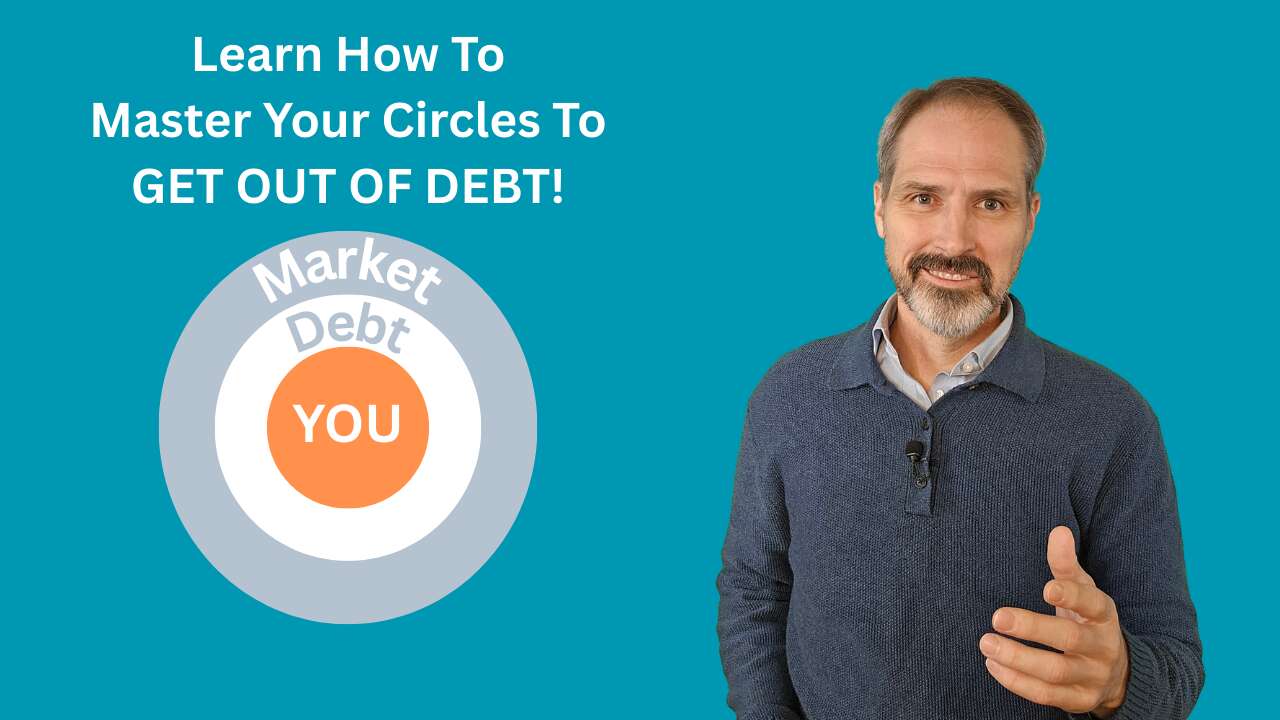
Your four ways out of debt
You have four ways to pay off debt. They run from the cheapest, with no damage to your credit, to the most expensive.
- Pay it down yourself. Put every extra dollar toward one balance at a time. The avalanche method targets your highest APR first and costs the least. The snowball method targets your smallest balance first and gives you quick wins.
- Consolidate. Move your balances to one personal loan or a 0% balance transfer card at a lower rate. Your accounts stay in good standing, and you get a fixed payoff date.
- Join a debt management plan. A nonprofit credit counselor negotiates lower interest rates with your card issuers, and you make one monthly payment to the agency for three to five years. You close the enrolled cards.
- Settle. A debt settlement company negotiates lump-sum payoffs for less than you owe while you stop paying your creditors. It can cut your balances, but fees run about 25% of the enrolled debt, and your credit takes serious damage.
Bankruptcy sits past all four. If your debts exceed what you could repay in five years, talk to a bankruptcy attorney before you sign up for anything.
Start with your numbers
List every debt with its balance, APR, and minimum payment. Your average interest rate tells you whether consolidation can beat it, and the debt payoff calculator shows how long each plan takes.
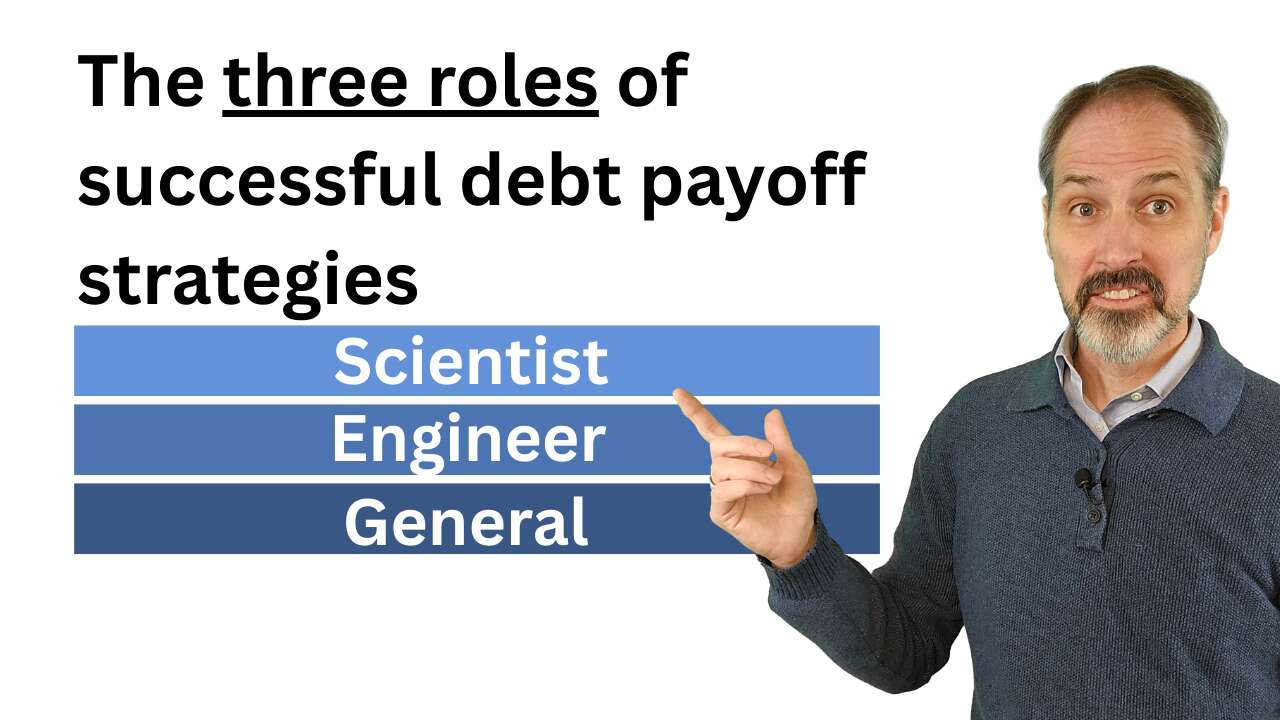
Payoff strategies
Snowball, avalanche, and the plans that get you to zero.
Credit card debt
Card balances carry the highest rates most people pay. These guides show you how to clear them.
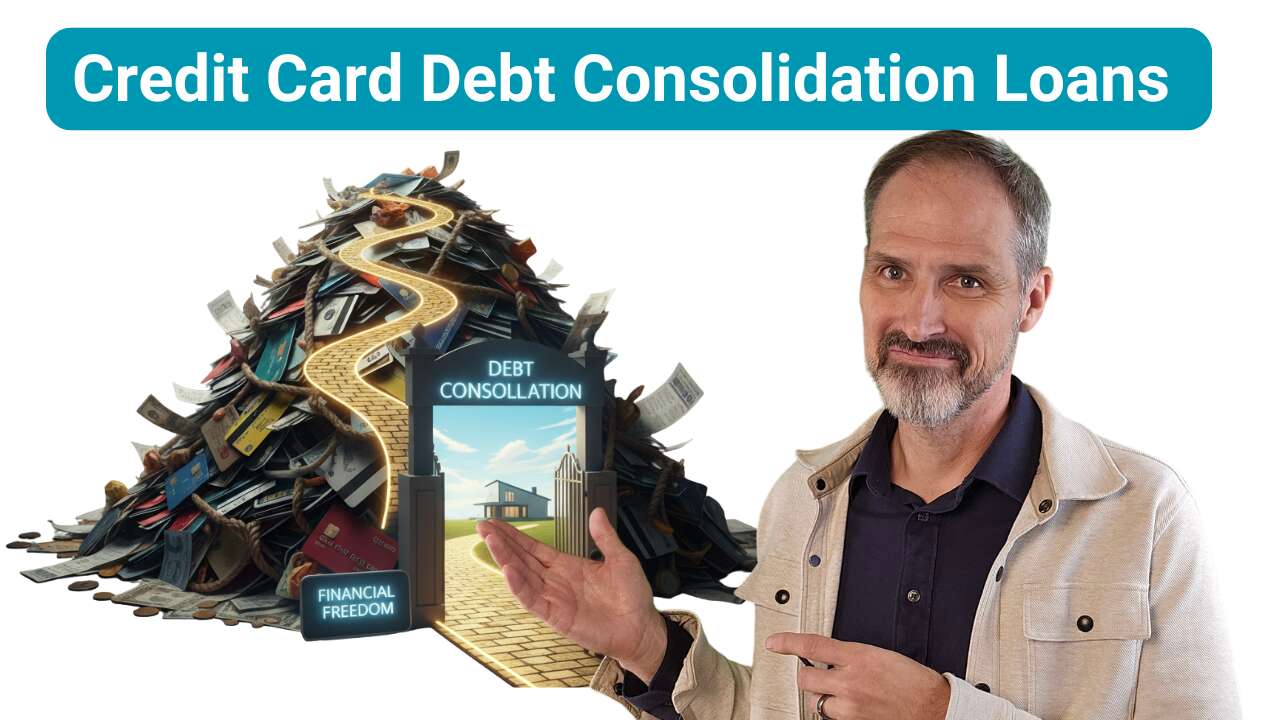
Debt consolidation loans
Trade several high-rate balances for one fixed payment and a set payoff date.

Debt relief and settlement
Debt settlement, debt management plans, and the debt relief companies we review.

Latest debt payoff videos
Every video comes with a written guide. Pick one to watch and read.
Debt payoff FAQs
Build a starter emergency fund first, so a surprise bill doesn’t land on a credit card. Then put every extra dollar toward your highest-rate debt.
The avalanche method saves more interest because you pay off the highest APR first. The snowball method pays off the smallest balance first, and the early wins keep many people going. Pick the one you will stick with.
Paying down credit card balances lowers your credit utilization, which can raise your score within a month or two. Closing a paid-off card can lower it, so keep old cards open if they carry no annual fee.
It is when the new APR beats the average rate on your current debts and you stop adding new balances. Our debt consolidation guide walks through a worked example.
A debt management plan lowers your interest rates, and you repay the full balance over three to five years. Debt settlement pays your creditors less than you owe, but you stop paying while you save, which damages your credit, and fees take about 25% of the enrolled debt.
Yes. Your accounts fall behind while you save for settlements, and late payments stay on your credit report for seven years. Settled accounts also show that you paid less than the full balance.
Tools
- Debt payoff calculator to compare payoff plans
- Compare personal loan rates with a soft credit check
- Debt consolidation loans: how they work and which lenders to compare
Rates, fees, and terms change. This page is educational and is not personal financial or legal advice. Review a company’s current disclosures before you borrow or enroll.