
Learn how credit card interest and rewards work, then pick a card that fits how you spend. Every guide and review on this page comes from The Yukon Project team.
Choose a card for how you use it
- You carry a balance: pick the lowest APR or a 0% introductory APR card. Rewards rarely outweigh the interest you pay.
- You pay in full every month: pick rewards that match your spending, such as flat cash back or travel points.
- You are building credit: start with a secured card or a starter card with no annual fee.
Your grace period does the most to protect you. Pay your full statement balance by the due date and you pay no interest on purchases. Carry a balance and most cards charge interest on new purchases from the day you make them.
How credit cards work
Interest, grace periods, and how to use a card without paying for it.
Card reviews
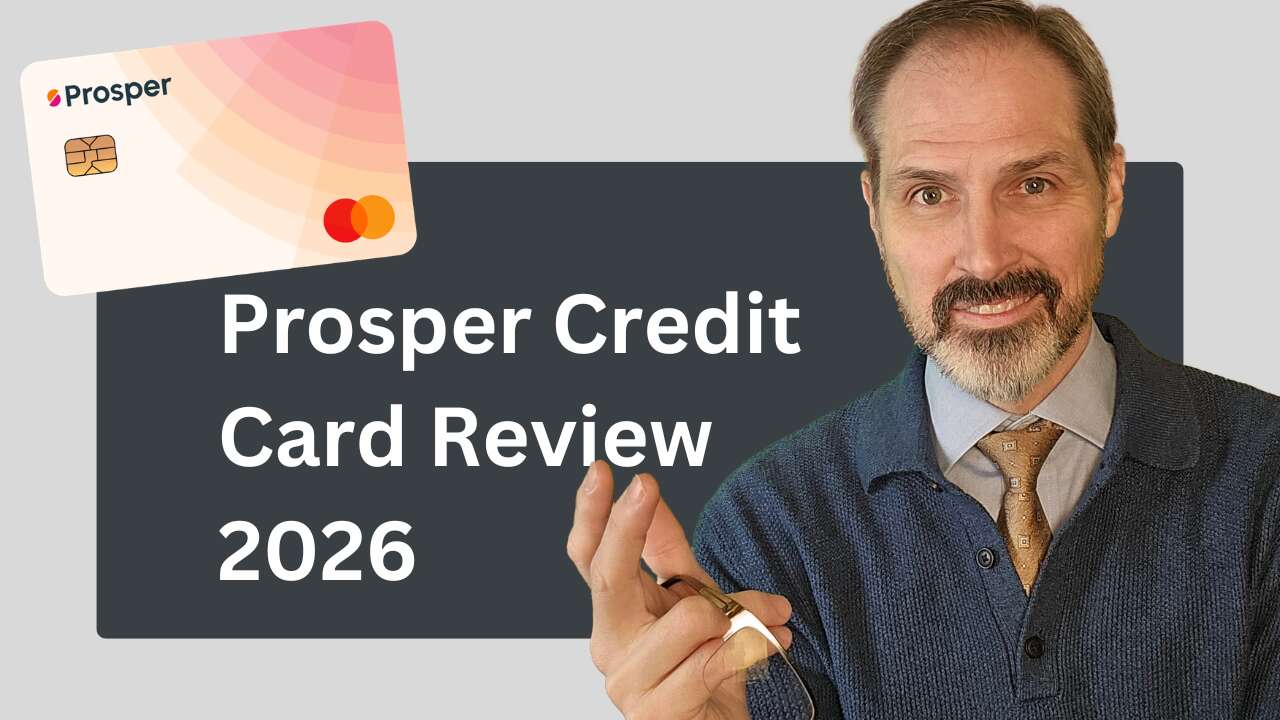
Our reviews of cash back, travel, and credit union cards.
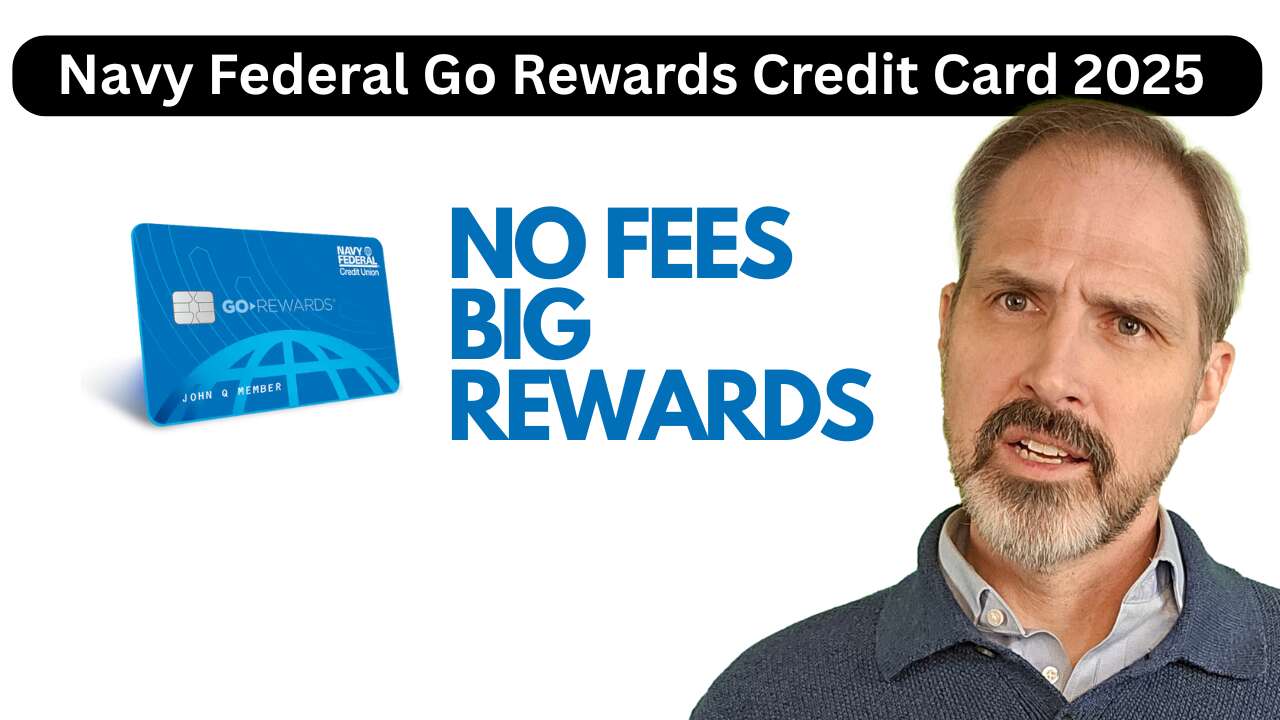



Rewards and travel cards
How to earn more from the spending you already do.

Credit card FAQs
Two or three cards cover most people: one for everyday rewards and one as a backup. More cards add to your available credit, which can lower your utilization, as long as you keep the balances low.
A hard inquiry can lower your score by a few points for a short time. Many issuers let you check whether you are preapproved with a soft credit check first.
It is the time between the end of your billing cycle and your due date. Pay your full statement balance within it and you pay no interest on purchases.
Keep it open if it carries no annual fee. Closing it cuts your available credit, which raises your utilization and can lower your score.
Rates, fees, and terms change. This page is educational and is not personal financial advice. Review each company’s current terms before you buy or apply.