
Compare lenders, learn how personal loans work, and find the right loan for your credit and your budget. Every review and video on this page comes from The Yukon Project’s own research.
What a personal loan is
A personal loan gives you a lump sum from a bank, credit union, or online lender. You repay it in fixed monthly payments over a set term, and most personal loans need no collateral. You can use the money for almost anything: paying off credit card debt, a home repair, a medical bill, or an emergency.
The numbers to know
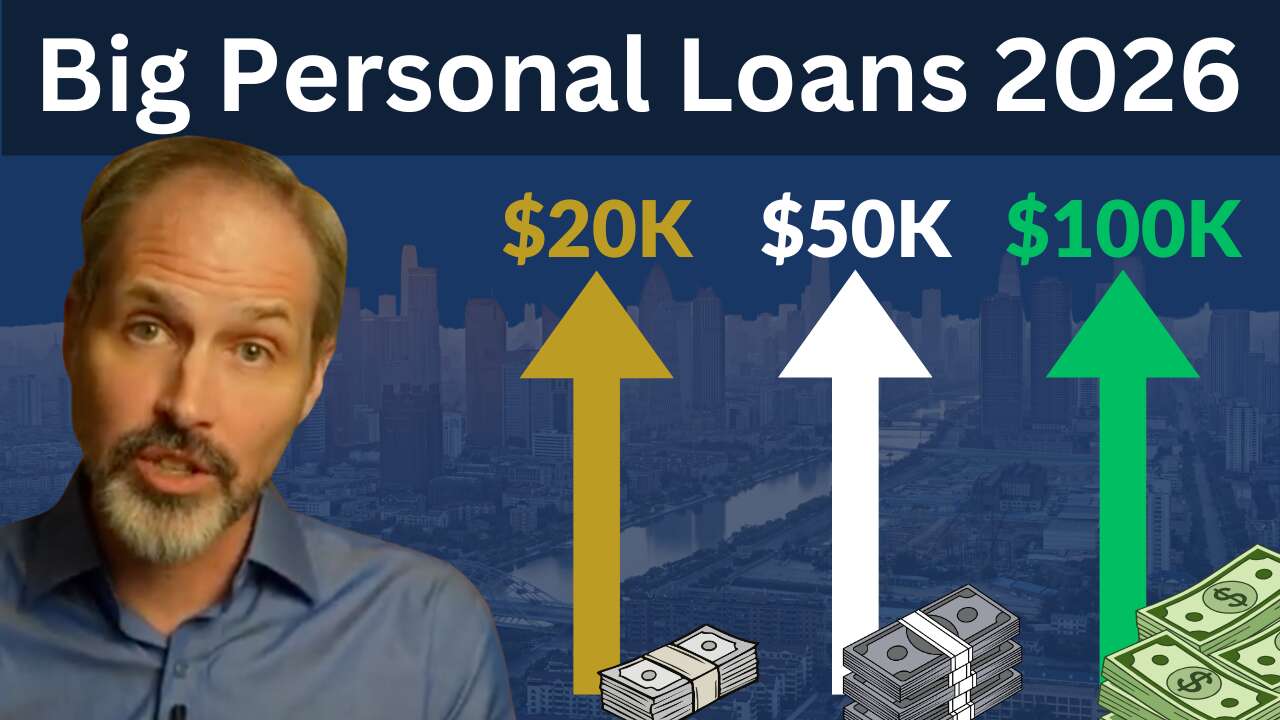
- Amounts: most loans fall between $1,000 and $50,000. A few lenders go up to $100,000.
- Rates: APRs start near 6% for excellent credit and run to 36% or more for poor credit. There are bad credit loans that can run much higher.
- Payments: the lender fixes your rate, term, and monthly payment before you sign.
- Speed: many lenders fund small loans within 24 hours. Larger loans can take a few days.
- Credit checks: checking your rate uses a soft credit check and leaves your score alone. The lender runs a hard credit check only after you accept an offer.
Compare the cost, not the payment
A lower monthly payment can still cost you more when the term is longer. Compare the APR, which combines the interest rate with certain fees, along with origination fees and late fees. Before you sign, the lender must give you a Truth in Lending disclosure that lists the APR, the finance charge, the amount financed, and your payment.
How personal loans work
Start here if you are new to personal loans. These explainers cover rates, fees, credit, and how lenders decide.
How-to guides
Practical steps for choosing a loan, avoiding mistakes, and applying with confidence.

Best personal loans
Our current picks by credit profile, loan size, and purpose.

Personal loans for debt consolidation
A consolidation loan replaces several high-interest balances with one fixed payment. These guides show you when it saves money and which lenders to compare.


Lender reviews
Our latest lender reviews, newest first. Each review covers rates, fees, eligibility, and who the lender suits best.
Lender comparisons
Two lenders, side by side, on rates, fees, and approval requirements.
Loans for your situation
Bad credit loans
See all bad credit loan guides →
Large loans
Secured loans
Fees and APR
Scams and red flags

Payday and title loans
Payday and title loans cost far more than a personal loan. Read these before you borrow against your next paycheck or your car.


Latest personal loan videos
Every video comes with a written guide. Pick one to watch and read.
-

Personify Financial Personal Loan Review 2026: Rates, Fees, and Who It’s For
-
OneMain Financial Lawsuit: What 13 States Say About Hidden Loan Add-Ons
-
Happen Bank Personal Loan Review 2026: What Changed After LendingClub
-
Buy Now, Pay Later: The Real Cost of 0% Interest
-
BHG Financial Personal Loan Review 2026
-
The Dirty FinTech Loan Secret
Personal loan FAQs
A personal loan works well when you have a clear use for the money and the monthly payment fits your budget. It suits debt consolidation and necessary expenses such as a car repair. If your budget is already tight, a new payment can add stress, so compare your options before you borrow.
Most personal loans range from $1,000 to $50,000, and a few lenders go as high as $100,000. Your credit, your income, and whether the loan is secured decide how much a lender will offer you.
With credit of 700 or higher, an APR of 12% or less is a strong offer. With fair credit, 18% or less is solid. With poor credit, 25% is a reasonable rate, and some lenders charge 36% or more. The best APR is the lowest one you can qualify for, which is why you should compare several offers.
Yes. Several lenders work with borrowers who have poor credit, but you will pay a higher rate. A secured personal loan, backed by a car or savings account, can lower your rate and improve your approval odds.
No. Checking your rate uses a soft credit check, which does not affect your score. The lender runs a hard credit check only after you accept an offer, and that can lower your score by a few points for a short time.
Many online lenders fund small loans within 24 hours of approval. Larger loans need more underwriting and can take a few days.
A personal loan gives you one lump sum at a fixed rate that you repay on a set schedule. A line of credit lets you borrow as you need, up to a limit, and the rate can change over time.
An unsecured loan needs no collateral, so you risk no property, but it is harder to qualify for and costs more. A secured loan is backed by an asset such as a car. It is easier to get and cheaper, but the lender can take the asset if you stop paying.
It can, for a short time. Accepting a loan adds a hard credit check, which can lower your score by a few points, and the new loan adds to the debt you carry. Over time, on-time payments build your payment history, the largest factor in your FICO score, and your score could rise above where it started. If you use the loan to pay off credit cards, your card utilization drops too, which helps your score. A missed payment does the opposite and stays on your credit report for seven years.
Tools
- Compare personal loan rates with a soft credit check
- Debt payoff calculator to see what consolidation saves you
- Lenders we review, for every lender we cover, and the lender comparison table to see top lenders side by side
- Loan glossary for terms such as APR and origination fee
Rates, fees, and eligibility change. This page is educational and is not a promise of approval or personal financial advice. Review the lender’s current disclosure before you apply.