
Learn what drives your credit score and the steps that raise it. Every guide on this page comes from The Yukon Project team.
What goes into your FICO score
- Payment history (35%): paying on time matters most. A payment 30 or more days late can stay on your report for seven years.
- Amounts owed (30%): keep your card balances low compared to your limits.
- Length of credit history (15%): older accounts help, so keep your oldest cards open.
- New credit (10%): each hard inquiry can lower your score by a few points for a short time.
- Credit mix (10%): a mix of cards and installment loans helps a little.
Fix errors for free
Pull your free credit reports at AnnualCreditReport.com and dispute any errors with the credit bureau. You can do this yourself at no cost. A credit repair company can’t remove accurate negative information, and federal law bars it from charging you before it does the work.
Credit guides
-
Should You Close Credit Cards?
-

Buy Now Pay Later
-

Credit Score Before Wealth
-

How many credit cards should I have?
-

Credit Utilization Secrets
-

9 easy steps to take any credit score over 800!
-

How to Take Control of Your Credit Score
-
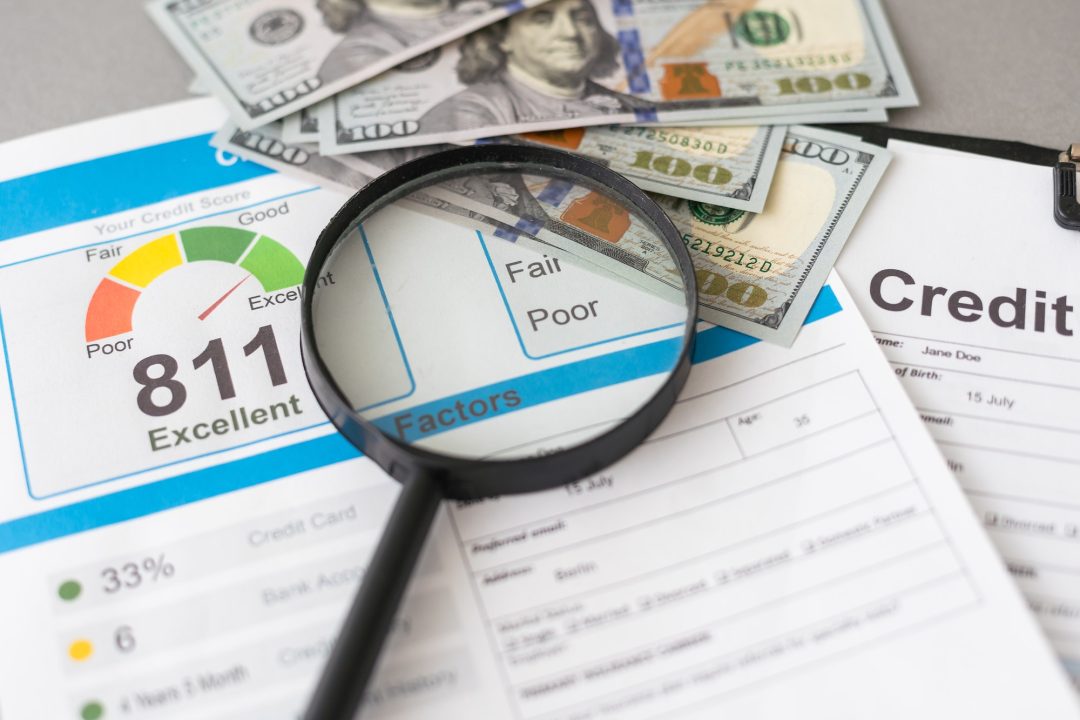
Maximize Your Credit Score With This Amazingly Simple Trick
-

The Truth About What Your Credit Score Measures
-

What are Credit Inquiries on Your Credit Report?
-

10 Credit Misunderstandings: What You Don’t Know Can Hurt You
-

Sorting Out the Impact of Soft and Hard Credit Inquiries
Credit FAQs
A score of 670 to 739 is good, 740 to 799 is very good, and 800 or higher is exceptional. Below that, 620 is the line that counts: from 620 to 669 you have fair credit and can still get mainstream loans, and below 620 most lenders treat you as bad credit.
No. Checking your own score or report is a soft inquiry and has no effect on your score.
Late payments and collections stay for seven years. A bankruptcy can stay for up to 10 years.
This page is educational and is not personal financial advice.