Earn more on the money you keep in the bank. These guides compare high-yield savings accounts, money market accounts, CDs, and prepaid cards.
Pick the right account for each dollar
- Checking: money for bills and daily spending. Look for no monthly fees and a large ATM network.
- High-yield savings: your emergency fund and short-term goals. Online banks pay far more than the national average savings rate.
- Money market account: savings with check-writing or a debit card, at rates close to high-yield savings.
- Certificate of deposit: money you won’t touch for a set term. You lock in a rate and pay a penalty if you withdraw early.
Keep your deposits at FDIC-insured banks or NCUA-insured credit unions. Each insures up to $250,000 per depositor, per institution, for each ownership category.
Banking guides
-

High-Yield Savings Accounts: 5 Reviewed, 4 Traps to Avoid
-
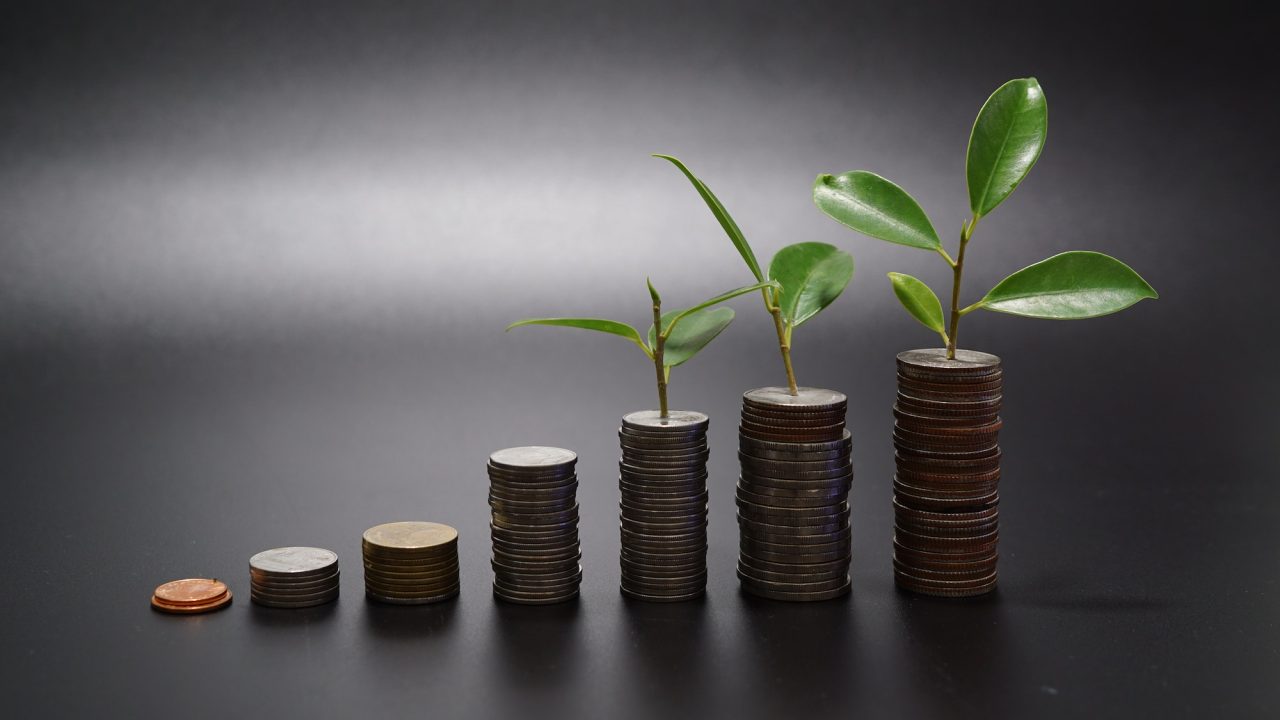
Earn 52X More Interest with a High-Yield Savings Account!
-

Savings Accounts: Everything you Ever Needed to Know
-

What to Know Before Choosing a High Yield Savings Account
-

Money Market Account: The What, How, and When
-

Understanding the Certificate of Deposit: Maximize the Value
-

How Prepaid Debit Cards
-

How Many Savings Accounts Should I Have?
Banking FAQs
Yes, when the bank is FDIC-insured or the credit union is NCUA-insured. Your deposits are covered up to $250,000 per depositor, per institution, for each ownership category.
A CD locks in a rate for a set term, which helps when rates may fall. A high-yield savings account lets you withdraw anytime, which suits an emergency fund.
Open one for each goal, such as an emergency fund, a vacation, or a car, so you can see your progress on each one.
Rates and terms change. This page is educational and is not personal financial advice. Check each bank’s current rates and fees before you open an account.