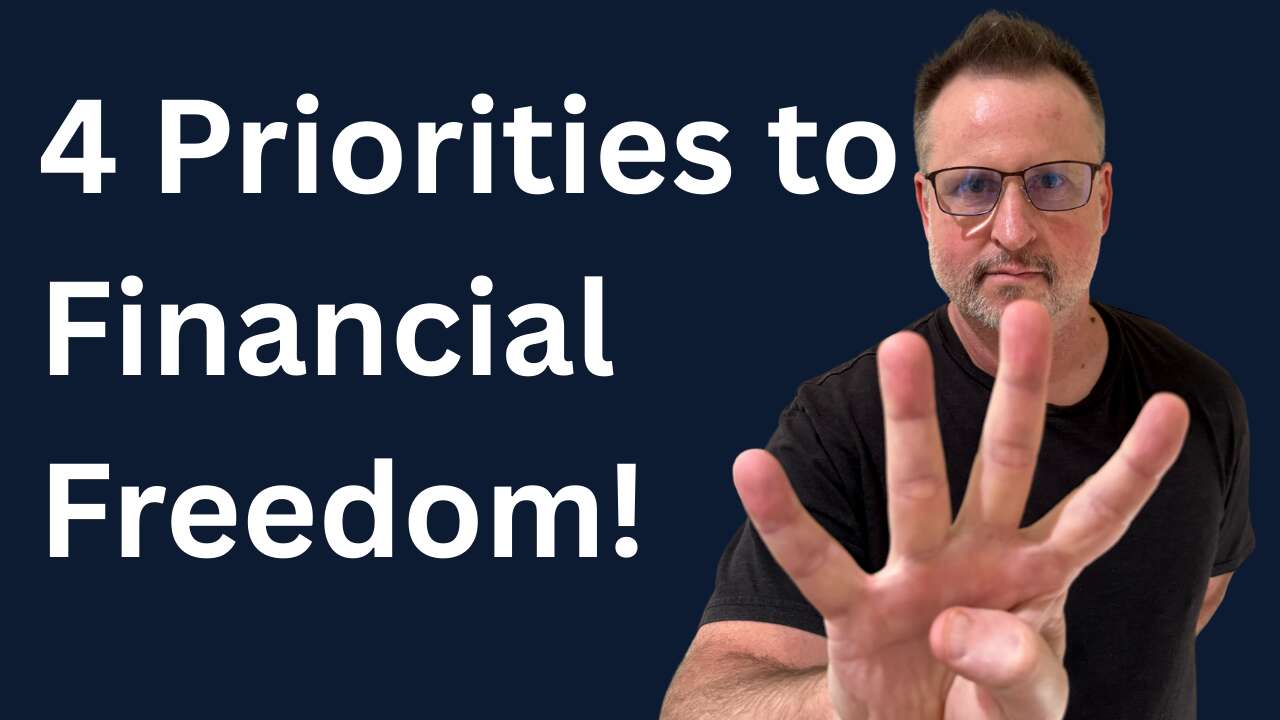
Four Priorities to Improve Your Financial Life
Improving your financial life is not about quick wins or one-time changes. It’s about setting the right priorities and sticking to them. Whether you are just starting out, recovering from debt, or planning for retirement, the same core principles apply. Below, we’ll walk through the four top financial priorities that can help you build stability, reduce stress, and create long-term wealth.
1. Build an Emergency Fund
Why an Emergency Fund Matters
Life is unpredictable. Job loss, medical emergencies, car trouble, or unexpected home repairs can strike at any time. Without a safety net, these events can force you into debt and create long-lasting financial setbacks.
How Much Should You Save?
Financial experts recommend saving 3–6 months of living expenses in a high-yield savings account. This provides a cushion against unexpected financial shocks.
But don’t get discouraged if your emergency fund is currently at zero. Start small—set aside $25, $50, or $100 at a time. Building an emergency fund is about progress, not perfection.
2. Eliminate Wealth-Eroding Debt
The Two Worst Types of Debt
Debt can be useful when managed wisely, but some types are especially destructive:
- Credit Card Debt: Carrying balances and only paying the minimum can trap you in debt for over a decade.
- High-Interest Loans: Too much of your payment goes toward interest rather than reducing your balance.
Strategies to Pay Off Debt
Two popular methods for paying off debt include:
- Avalanche Method: Pay off the debt with the highest interest rate first.
- Snowball Method: Pay off the smallest balance first to gain momentum.
Using Debt Consolidation to Your Advantage
Debt consolidation combines multiple debts into one lower-interest payment. This approach not only simplifies repayment but can also save you money in interest. Explore whether you qualify for a debt consolidation loan with tools and resources from The Yukon Project.
3. Live Below Your Means
Why Spending Less Matters
It’s impossible to grow wealth if you spend everything you earn. The key to long-term success is to consistently live below your means.
Practical Steps to Stay Disciplined
- Delay non-essential purchases.
- Track your expenses to identify waste.
- Focus on needs over wants.
Nobody is perfect every month, but the discipline to spend less than you make—even most of the time—creates the foundation for financial stability.
4. Invest Early and Consistently
Time in the Market vs. Timing the Market
The single greatest tool for building wealth is compound interest. The longer your money stays invested, the more it grows. Trying to “time the market” rarely works—but staying invested consistently almost always does.

Retirement Accounts and Long-Term Growth
Contributing to accounts like a 401(k) or IRA allows your money to grow tax-advantaged over decades. Even small, steady contributions matter.
For example:
Investing $760 per month for 35 years could grow into $2.5 million.
The Bottom Line
Start now, even with a small amount. Stay consistent. Trust the process. Over time, you’ll see life-changing results.
Frequently Asked Questions (FAQs)
How much should I start with in my emergency fund?
Start with whatever you can afford—$25, $50, or $100. The goal is progress. Once you build momentum, aim for 3–6 months of living expenses.
Which debt should I pay off first?
If you want to save the most money, use the avalanche method and pay off the highest interest debt first. If you need motivation, use the snowball method by paying off smaller balances first.
Is debt consolidation a good idea?
Debt consolidation can be a smart strategy if it lowers your interest rate and simplifies repayment. However, it’s important to ensure you won’t accumulate new debt afterward.
What does it mean to live below your means?
It means spending less than you earn. Avoid lifestyle inflation, delay unnecessary purchases, and focus on building savings and investments instead.
When should I start investing?
The best time to start investing is today. Even small contributions to retirement accounts or brokerage accounts can grow into significant wealth thanks to compound interest.
How do I balance paying off debt and investing?
Generally, high-interest debt (like credit cards) should be paid off before investing heavily. Once your debt is under control, you can shift more money toward long-term investments.
✅ By focusing on these four priorities—building an emergency fund, eliminating debt, living below your means, and investing consistently—you can transform your financial life and create lasting security.