A Clear Guide to the Pros, Cons, and Real-World Results of Debt Relief
Debt can feel overwhelming. When minimum payments stack up and interest keeps growing, debt settlement may seem like a lifeline. But before jumping into a settlement program, it’s important to ask: Does debt settlement really work?
The answer isn’t black and white. Debt settlement works for some people—but not everyone. In this guide, we’ll break down what it is, how it works, when it fails, and how to decide if it’s the right solution for you.
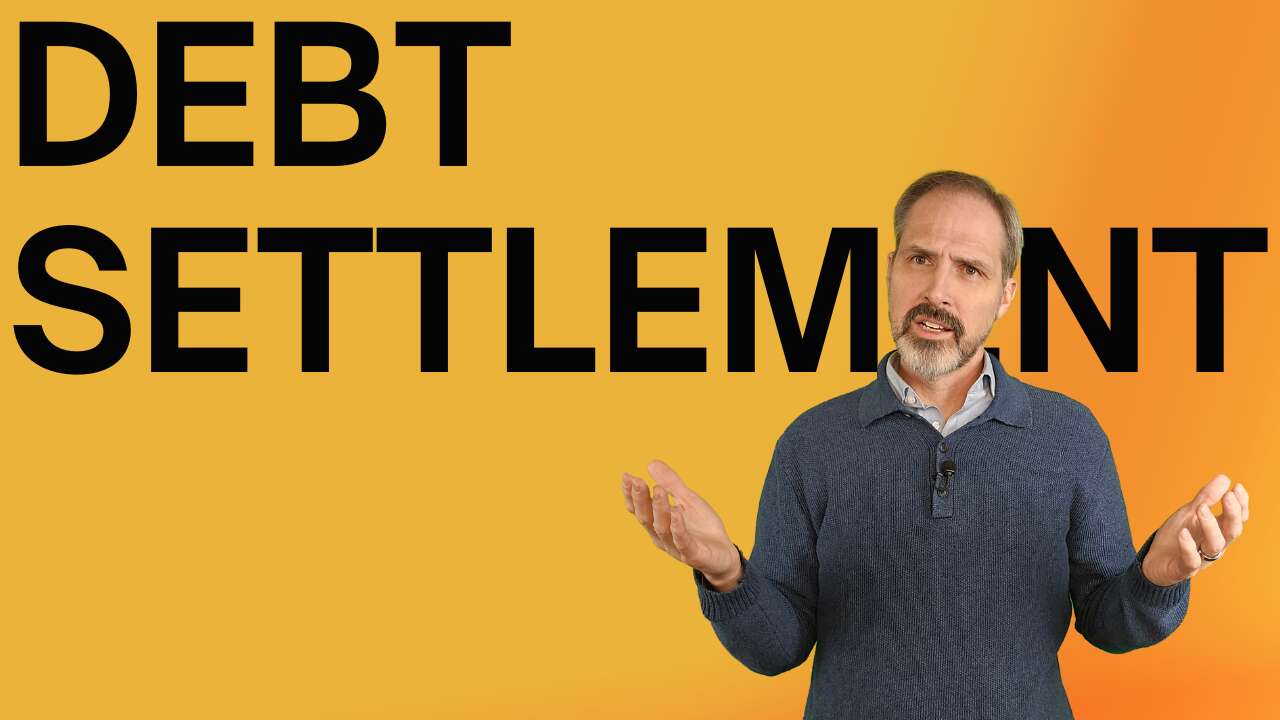
What Is Debt Settlement?
Debt settlement (also called debt relief) is a process where you—or a company acting on your behalf—negotiate with creditors to pay less than what you owe.
Instead of paying your monthly bills, you stop making payments entirely. After a few months, lenders may agree to settle the debt for a lower lump sum or a structured payment plan, forgiving the rest.
Example: If you owe $10,000, the lender might settle for $6,000, and forgive the remaining $4,000.
How Debt Settlement Works
Step-by-Step Overview
- You stop paying your debts (usually unsecured debt like credit cards).
- Your credit score drops as accounts become past due.
- Creditors eventually agree to negotiate.
- A settlement is reached, and the forgiven portion is written off.
- You pay the reduced balance—either in a lump sum or installments.
- The debt is marked as “settled” on your credit report.
DIY vs. Using a Debt Settlement Company
You can negotiate debt settlement yourself, but most people use a debt settlement company. These firms:
- Handle negotiations
- Communicate with creditors and collection agencies
- Set up structured repayment plans
In exchange, they charge fees—usually 20% to 25% of the total enrolled debt.
What Types of Debt Can Be Settled?
Not all debts are eligible. Debt settlement only works on unsecured debts, such as:
- Credit card debt
- Personal loans
- Medical bills
- Private student loans (sometimes)
Debt That Cannot Be Settled
- Mortgages or auto loans (secured debt)
- Federal student loans
- Child support or alimony
- Back taxes to the IRS
- Utility bills or rent
✅ Pro Tip: If most of your debt is unsecured, settlement may be a viable path. If it’s secured or legally protected, you’ll need alternative strategies.
The Pros of Debt Settlement
✅ You Could Pay Less Than You Owe
Most reputable companies claim to reduce your principal by 30%–50%. That can mean serious savings if you’re dealing with large balances.
✅ Interest and Late Fees May Be Waived
Since you’re negotiating the debt total, you may avoid months or even years of interest and fees.
✅ One Monthly Payment
Some companies offer a single monthly payment plan, simplifying your finances.
The Cons of Debt Settlement
❌ It Hurts Your Credit Score
Stopping payments will tank your credit score, often dropping it into the 400s or 500s. Recovery takes time—months or even years.
❌ Settlement Fees Add Up
You don’t keep all your savings. Debt settlement firms charge 20%–25% of your enrolled debt—not just your reduced balance.
Example: If you settle $10,000 to $6,000 and the fee is $2,000, you’ve only saved $2,000 overall—not $4,000.
❌ The IRS May Tax Forgiven Debt
Forgiven debt is considered taxable income. Settle $5,000? You could owe taxes on that $5,000—even if you paid fees to get it.
❌ Some Creditors Won’t Settle
Lenders are not required to negotiate. Some may refuse, while others might take you to court.
❌ It Takes Time
Most settlements happen after 4–6 months of missed payments. Full resolution can take 2–4 years.
When Debt Settlement Doesn’t Work
Debt settlement isn’t for everyone. Here’s when it tends to fail:
- You have mostly secured or protected debt
- Your credit is still in decent shape (above 620)
- You don’t have the financial hardship to back up your claims
- You miss payments on the new settlement plan
- Your creditor refuses to settle or sues
❗ Legal Risk: An estimated 5–15% of debt settlement clients are sued by creditors. If that happens, you may face garnished wages or court judgments.
Debt Settlement vs. Other Options
| Strategy | Best For | Effect on Credit | Saves Money? |
|---|---|---|---|
| Debt Settlement | Severe hardship, high unsecured debt | Major negative | Possibly, but with fees & taxes |
| Debt Consolidation | Moderate debt, fair/good credit | Minor drop (temporary) | Yes, with lower APR |
| Bankruptcy | Total insolvency, legal protection needed | Severe hit | Yes, wipes out debt |
| DIY Payoff Plans | Budgeting-focused, steady income | Neutral or positive | Yes, if managed well |
Final Verdict: Does Debt Settlement Work?
Yes, debt settlement works—but only in specific cases. If you’re behind on unsecured debt, in true financial hardship, and understand the trade-offs, it can be a way to regain control.
But for many people, debt consolidation or structured payoff plans offer a better long-term path—with fewer risks to your credit, taxes, or sanity.
Explore Your Best Path Forward
At The Yukon Project, we help people explore every strategy for becoming debt-free. Try our free debt payoff calculator and see how debt settlement compares to other options like consolidation or balance transfers.
We’re here to help you make the smartest financial choice—not just the quickest.