How to Save $4,800 Paying Off Your Credit Cards
What would you do with an extra $4,000 in your pocket? For many people stuck in credit card debt, that amount represents the interest they’re unknowingly handing over to their credit card companies every year. The good news? With the right strategy, you can slash those costs, get out of debt faster, and take back control of your finances. Let’s walk through a real-world example that shows how one person can save $4,800 in interest while cutting years off their debt repayment timeline.
The Problem: $6,500 in Credit Card Debt
Imagine someone carrying $6,500 across four credit cards. It started small: a couple of overspent cards, then an emergency expense, and suddenly balances piled up. Now, they’re juggling minimum payments and wondering how to escape the cycle.
When these numbers are plugged into the Debt Payoff Calculator at The Yukon Project, the results are eye-opening:
- Paying only the minimum payments means staying in debt for 11 years.
- Interest costs balloon to $6,541—almost as much as the original debt.
- Their average APR is a painful 25.3%.
That’s like trying to fill a bucket with a massive hole in the bottom. Each payment goes in, but interest leaks out, leaving progress painfully slow.
Why Interest Rates Matter So Much
In the first year alone, this borrower would pay nearly $1,500 in interest—and that’s if nothing changes. Unless they can wipe out the entire balance in a few months (which most people can’t), the most urgent priority is lowering that interest rate.
Calling the credit card company to beg for help won’t work. Credit card issuers have little incentive to reduce your APR. Instead, the smarter move is to look into a debt consolidation loan, which rolls multiple balances into one new loan—ideally at a much lower rate.
Smart Strategy: When to Consolidate (and When Not To)
Here’s an important detail: you don’t have to consolidate every single card.
Suppose one card has a 22% APR. If the best loan you’re offered is 23%, consolidating that particular card doesn’t make sense. You’d save more by aggressively paying that card down on its own. Consolidation works best when the new APR is at least 2–3 percentage points lower than your current rates.
The Winning Solution: 16% APR, 36 Months
In our example, the borrower qualifies for a consolidation loan at 16% APR with a 36-month term. Here’s the impact:
- Their new monthly payment is $38 less than what they were paying in combined minimums.
- They’ll be debt-free in just 3 years, compared to 11.
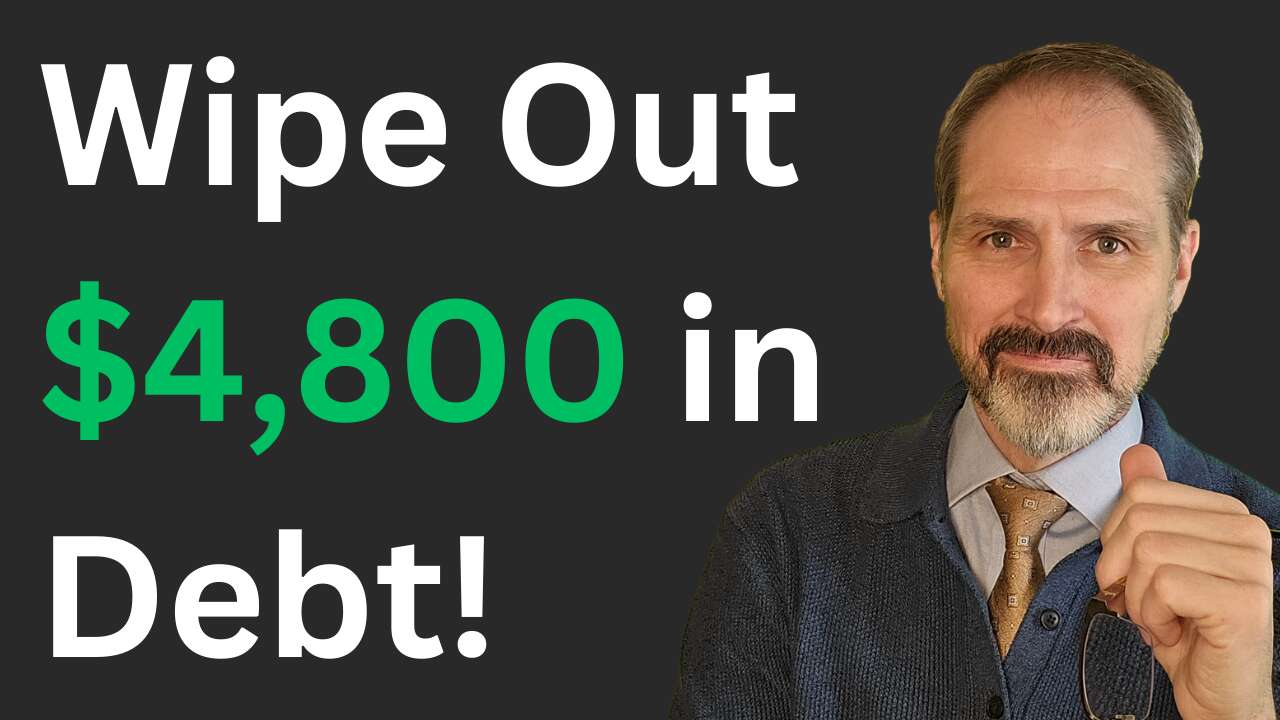
- They save a whopping $4,800 in interest over the life of the loan.
Even better, in the first year alone, they save nearly $600 in interest. By year two, savings climb to $660, and it continues building. That’s money that could be redirected toward building an emergency fund, investing, or simply reducing financial stress.

Shrinking the Leak in Your Bucket
Debt freedom isn’t about working harder—it’s about working smarter. Every percentage point you shave off your APR makes the “hole in the bucket” smaller, so more of your payment goes toward principal.
That’s why shopping around is critical. At The Yukon Project, we make the process easier. When you select “debt consolidation” in our marketplace, we check your eligibility with up to 40 lenders using a soft credit check (which won’t hurt your score). You’ll see all your approved offers in one place and pick the loan that shrinks your interest costs the most.
Final Takeaway
If you’re struggling with credit card debt, remember: the key isn’t just to make payments—it’s to lower the interest rate draining your money. By consolidating debt into a lower-APR loan, you can save thousands, shorten your payoff timeline, and reclaim your financial future.
Frequently Asked Questions
1. How much can debt consolidation really save me?
It depends on your current balances, APRs, and the loan terms you qualify for. In our example, consolidation at 16% APR saved $4,800 compared to sticking with credit cards. Even a 2–3% drop in APR can mean hundreds of dollars in annual savings.
2. Will debt consolidation hurt my credit score?
Initially, applying for a loan can cause a small dip due to a hard inquiry. However, since consolidation lowers credit utilization and creates a structured payoff plan, most borrowers see their score improve over time. Shopping through platforms that use soft credit checks avoids unnecessary damage.
3. Do I have to consolidate all my cards?
No. You should only consolidate balances where the new loan’s APR is lower than your current rate. For cards with already-low APRs, it may be smarter to keep paying them directly.
4. What if I have bad credit—can I still qualify?
Some lenders specialize in working with fair or poor credit borrowers. While you may not qualify for the lowest advertised rates, you can still find consolidation loans that are cheaper than 25–30% APR credit cards. Improving your credit score before applying can help.
5. Is there a catch to debt consolidation loans?
The main pitfall is extending the repayment period too long. A 7-year loan at a lower rate might reduce your monthly payments, but you could still pay more interest overall. The key is finding a loan with both a lower APR and a reasonable term, like 36 or 48 months.
6. What happens if I miss a payment on my consolidation loan?
Missing payments can hurt your credit and may cause your interest rate to rise. However, consolidation loans typically have fixed monthly payments, making them easier to budget than variable credit card bills.
7. Why not just keep paying extra on my credit cards?
If you can afford to aggressively pay down your cards, that’s great—but you’re still battling high APRs. Even if you double your payments, interest continues eating into progress. A consolidation loan makes every payment more efficient.